
Genetic Stability
Embryonic stem cell origin supports consistent cellular identity.
Life science reagents, cellular materials, genetic materials and research services from ABM.

Ready-to-use human embryonic stem cell-derived cardiomyocytes are cryopreserved and functionally validated, with spontaneous contractions typically beginning within 3–5 days after plating.
T5004 provides a reproducible human cardiac model for drug discovery, cardiotoxicity screening, disease modelling, electrophysiology, and advanced 3D cardiac workflows.
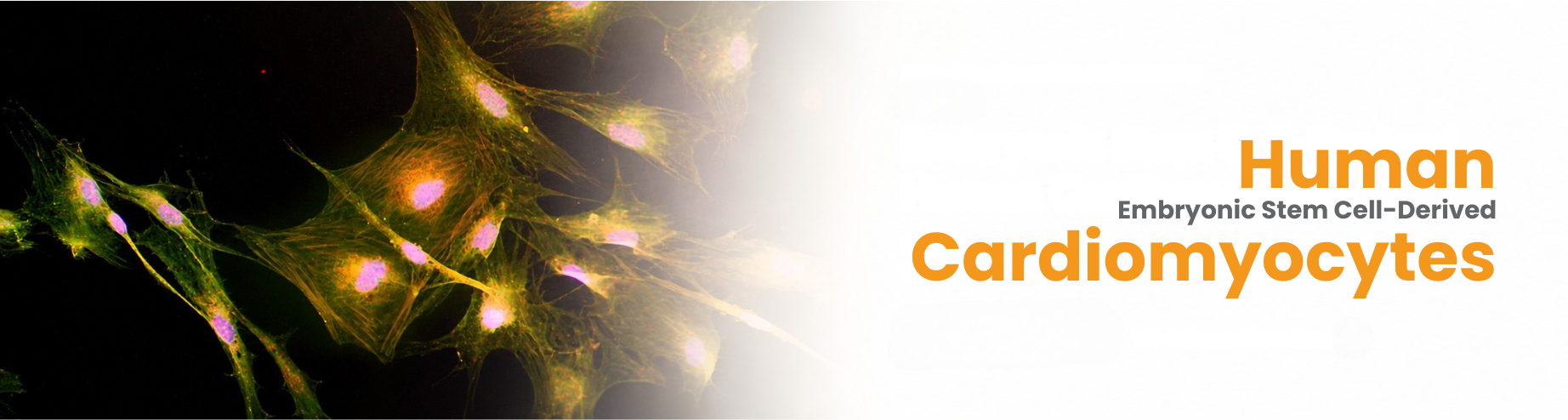
Representative cultures demonstrate spontaneous contractions after plating, with beating typically observed within 3–5 days.
Embryonic stem cell origin supports consistent cellular identity.
Spontaneous beating typically begins within 3–5 days.
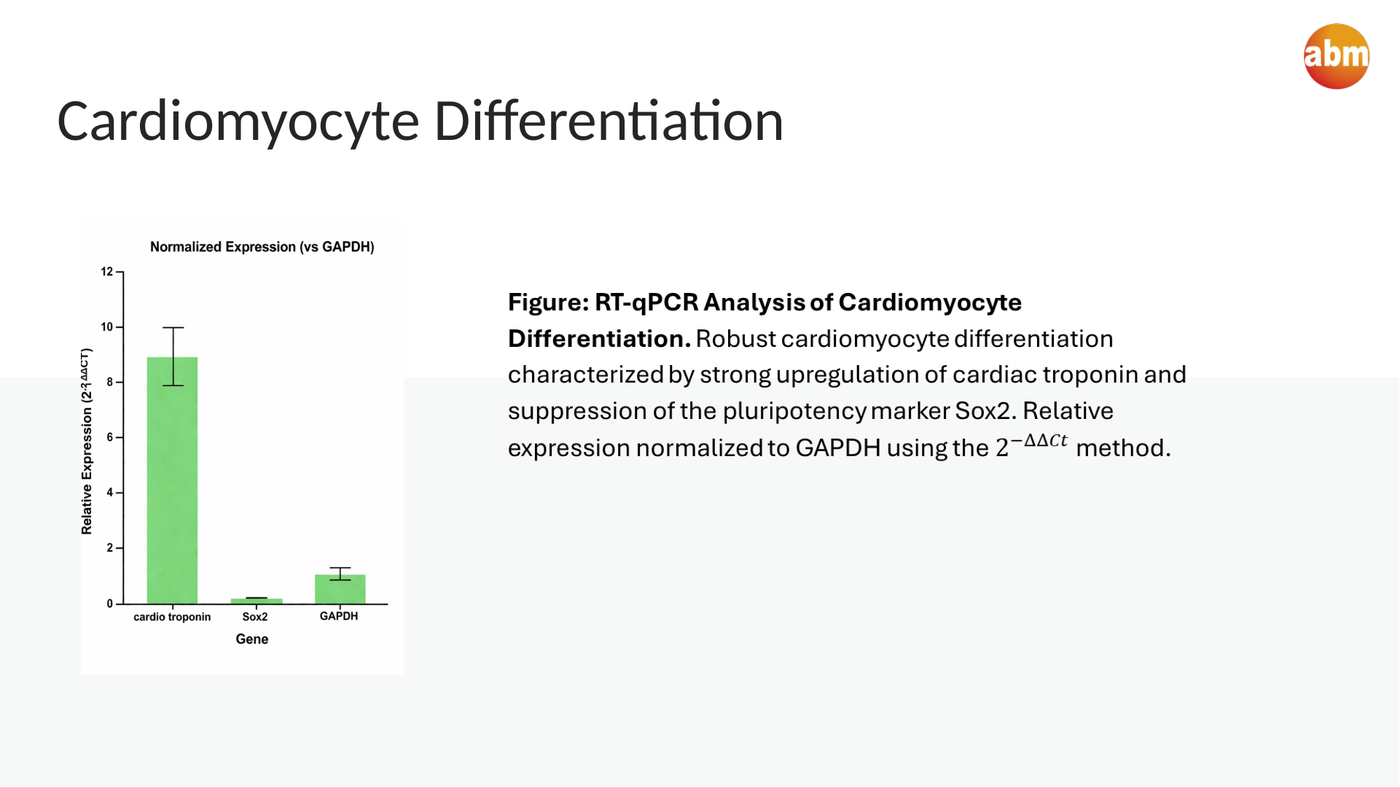
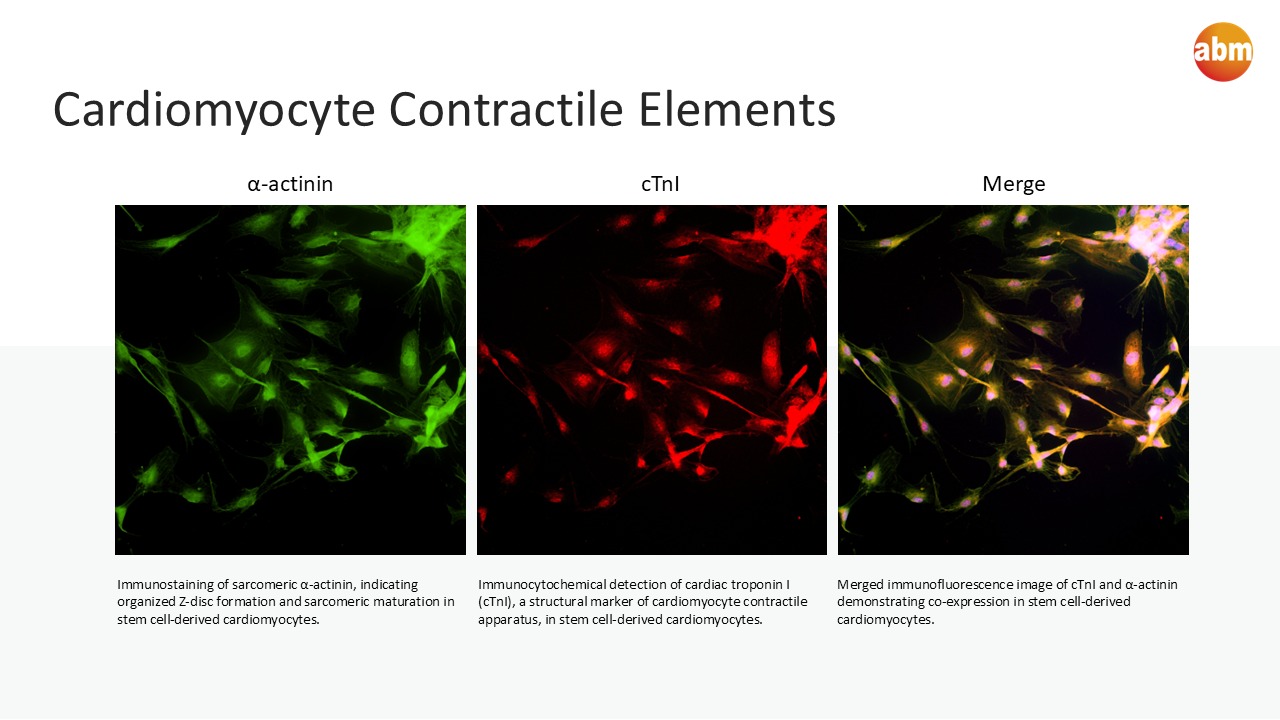
Key contractility markers are characterized by molecular and imaging assays.
Controlled differentiation supports repeatable experimental outcomes.
Functional cardiac behaviour is maintained for roughly 10–14 days in culture.
Evaluate efficacy and cardiac responses during preclinical development.
Identify adverse cardiac effects earlier during compound evaluation.
Study cardiac physiology and disease mechanisms in a human cell model.
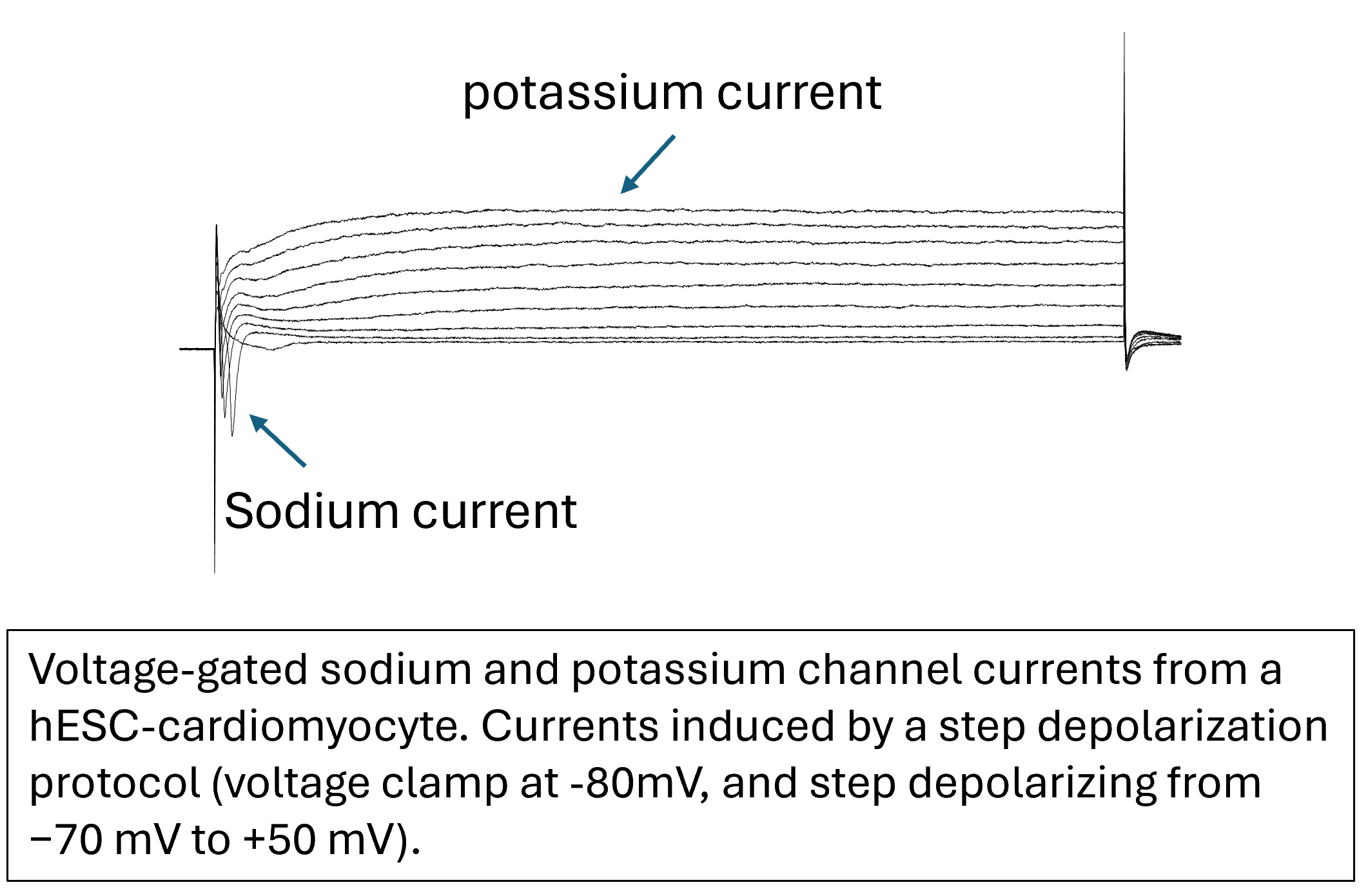
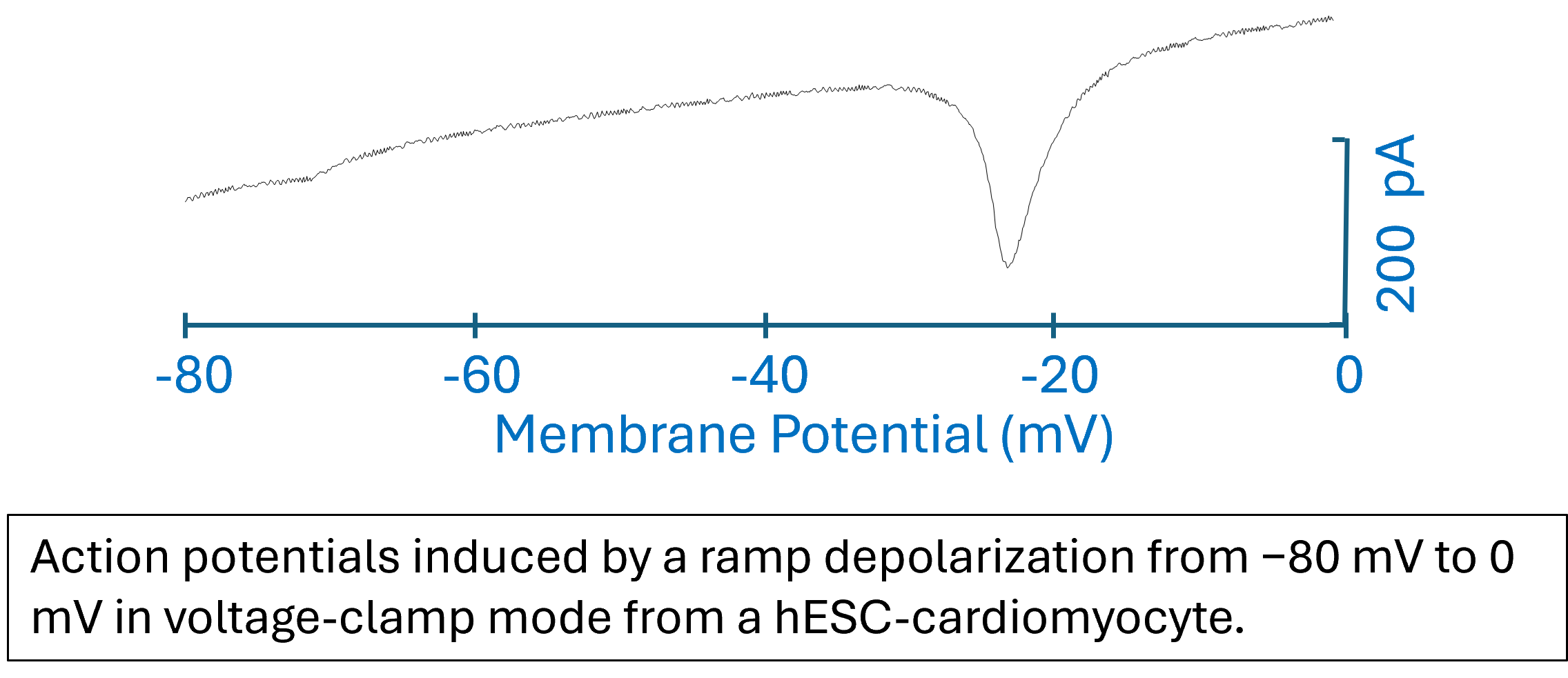
Assess beating behaviour, electrical activity, and functional response.
Build advanced 3D cardiac models and organoid systems.
T5004 undergoes molecular, phenotypic, and functional characterization to support cardiac lineage identity and performance.
For researchers who want control over differentiation, TM213 supports a streamlined workflow for generating cardiomyocytes from human embryonic stem cells.
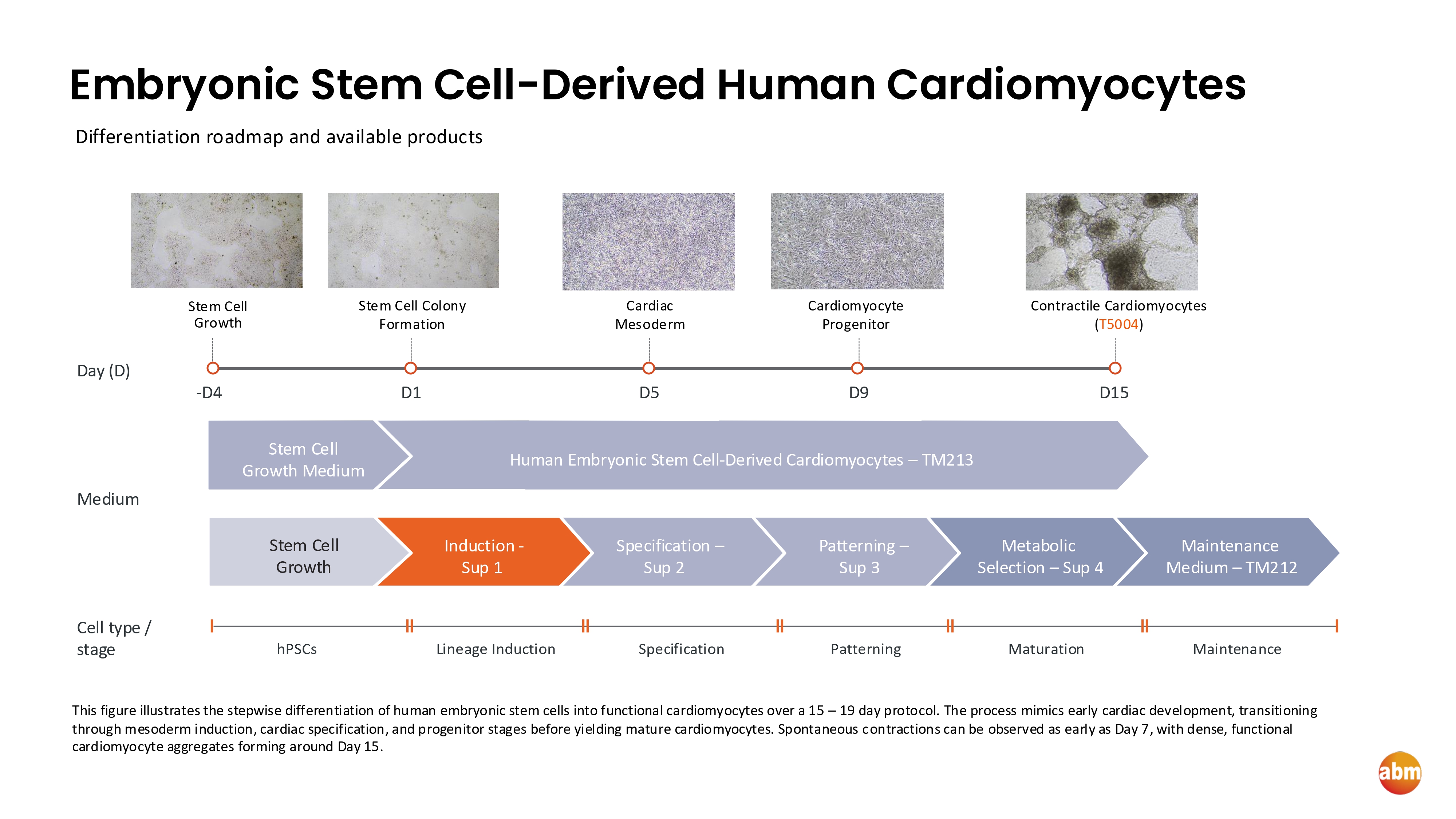
Run the differentiation workflow in your own laboratory.
Generate cells based on project demand.
Use an optimized workflow designed for consistent differentiation.
Integrate with toxicity, disease modelling, and 3D culture workflows.
A bundled cardiac workflow combines ready-to-use cardiomyocytes, extracellular-matrix support, and maintenance medium.
Spontaneous contractions are typically observed within 3–5 days after plating.
Cardiac identity is evaluated using molecular markers, immunocytochemistry, electrophysiology, sterility, and post-thaw viability checks.
Functional performance is typically maintained for approximately 10–14 days in culture.