
Drug development & toxicology
Renewable liver and kidney models support repeatable ADMET, toxicity, and mechanistic screening without recurring donor variation.
Life science reagents, cellular materials, genetic materials and research services from ABM.

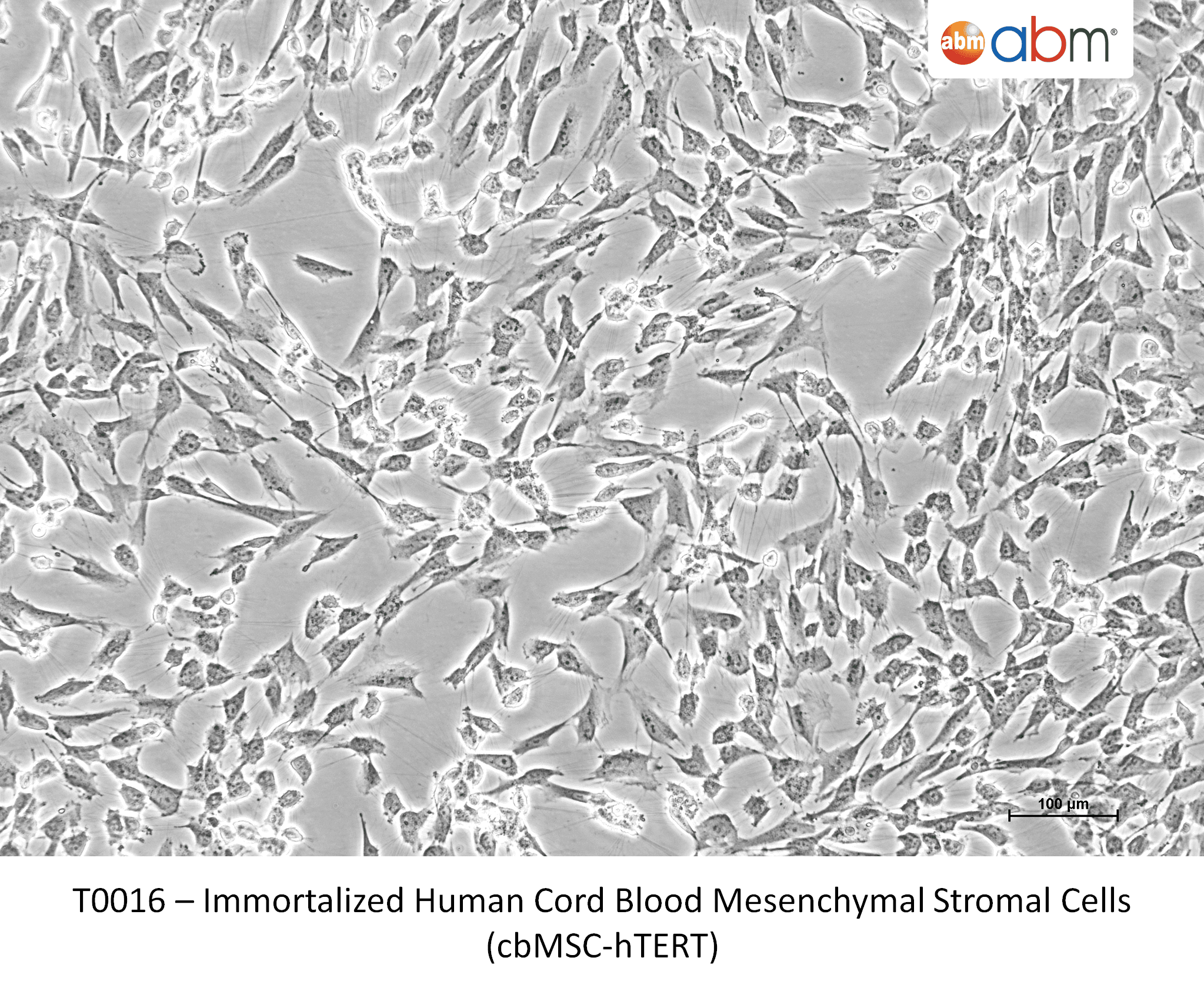
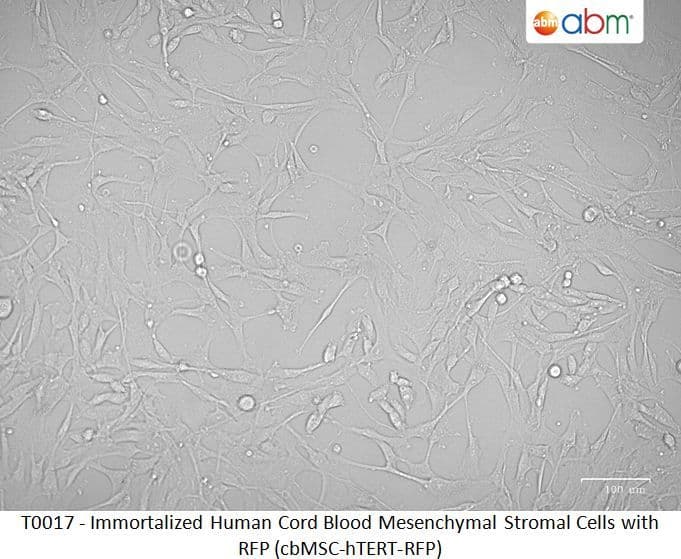
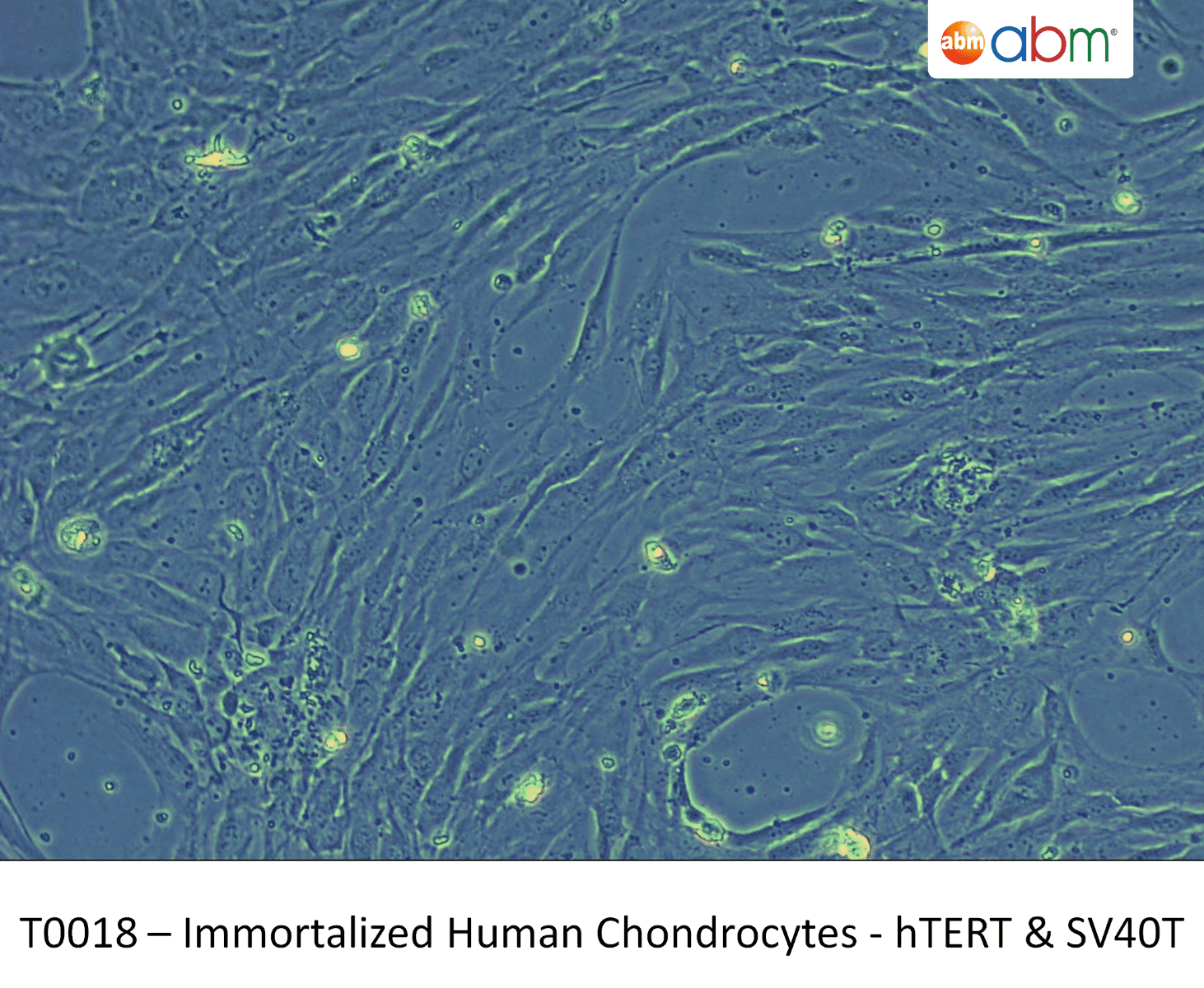
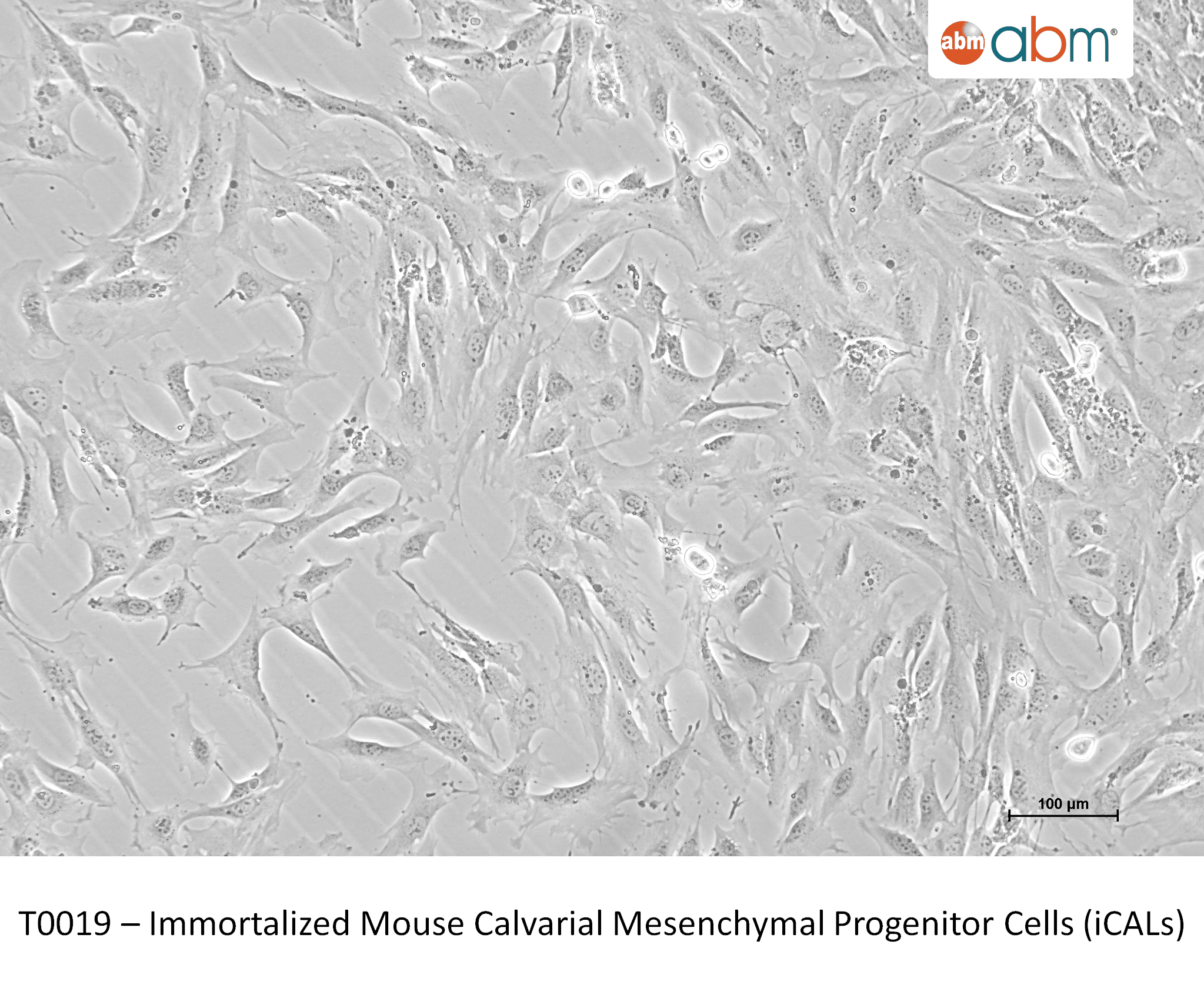
abm has worked with cell immortalization for more than two decades and maintains a large renewable-cell library spanning human, mouse, rat, and specialty species across a broad range of tissues and organ systems.
The collection is designed for reproducible cell biology, drug discovery, disease modelling, biotechnology, and translational research, with passage verification and mycoplasma testing built into the quality workflow.
Renewable liver and kidney models support repeatable ADMET, toxicity, and mechanistic screening without recurring donor variation.
Disease-relevant lines provide durable systems for pathway studies, target validation, and longitudinal experiments.
Skin, follicle, dermal, and related models support ingredient evaluation, ageing research, and hair biology studies.
Muscle-derived models from livestock and avian species can support alternative-protein and cellular-agriculture research.
Canine, feline, and less-common species broaden options for companion-animal biology and veterinary drug discovery.
Mast-cell and immune-related models enable pathway studies and anti-allergy screening in controlled backgrounds.
A long-running commercial immortalization program with broad use across research applications.
Identity, passage history, mycoplasma status, and morphology are reviewed to support repeatable work.
Human, mouse, rat, bat, dolphin, feline, bovine, and other specialty models cover many tissue systems.
Primary cells can be immortalized to order when the catalogue does not contain the required model.
Immortalized cell lines are engineered or selected to bypass normal replicative senescence, creating a renewable cell population that can continue dividing well beyond the lifespan of an untreated primary culture.
Primary somatic cells eventually stop dividing as telomeres shorten and cell-cycle checkpoints activate. Immortalization changes those limits, allowing a model to be expanded, banked, and reused across experiments.
That durability makes immortalized lines particularly useful for screening, genetic engineering, long-term mechanistic studies, and workflows that require consistent material at scale.
Several established strategies can extend cell lifespan. The appropriate method depends on the tissue, intended application, and how closely the final model must preserve differentiated function.
Telomerase-driven approaches extend proliferative lifespan by maintaining telomeres and can preserve differentiated features in suitable cell types.
SV40 Large T can bypass major cell-cycle checkpoints and is effective across many cell types, although extended passage can influence phenotype.
HPV-derived E6/E7 systems disrupt p53/Rb control and are frequently used for epithelial-cell immortalization.
Activated growth-control genes may be used alone or in combinations to maintain proliferation when other approaches are insufficient.
Inducible or reversible systems allow expansion during culture and can later reduce immortalizing activity for functional studies.
Immortalized models complement primary cells and animal systems when a project needs consistency, scale, long-term culture, or extensive engineering.
A banked line can be expanded repeatedly, reducing dependence on new donor material and repeated tissue isolation.
Stable populations help reduce experiment-to-experiment variability and make protocols easier to reproduce across laboratories.
Well-characterized in-vitro models can replace some workflows that would otherwise require repeated primary tissue collection.
Once established, an immortalized line reduces recurring procurement, screening, isolation, and expansion effort.
Long-term proliferation makes these models practical for CRISPR editing, reporters, and stable transgene integration.
A difficult-to-source tissue or species can be banked once and shared for future research rather than repeatedly recollected.
The right model depends on the research question. This comparison summarizes the practical trade-offs between a renewable immortalized line and a finite primary-cell culture.
| Consideration | Immortalized cell lines | Primary cells |
|---|---|---|
| Supply & scalability | Effectively renewable from a banked stock | Limited by donor material and isolation yield |
| Reproducibility | Generally high across controlled passages | More donor-to-donor and isolation variability |
| Physiological relevance | Good for many models; phenotype may drift with passage | Typically closest to native tissue behaviour |
| Lifespan in culture | Indefinite or greatly extended | Finite and cell-type dependent |
| Genetic modification | Well suited to stable editing and reporter workflows | More difficult because expansion capacity is limited |
| Cost per experiment | Lower after establishment and banking | Higher when repeated sourcing and QC are required |
| Best suited for | Screening, mechanistic studies, engineering, longitudinal assays, scale-up | Physiological validation and shorter functional studies |
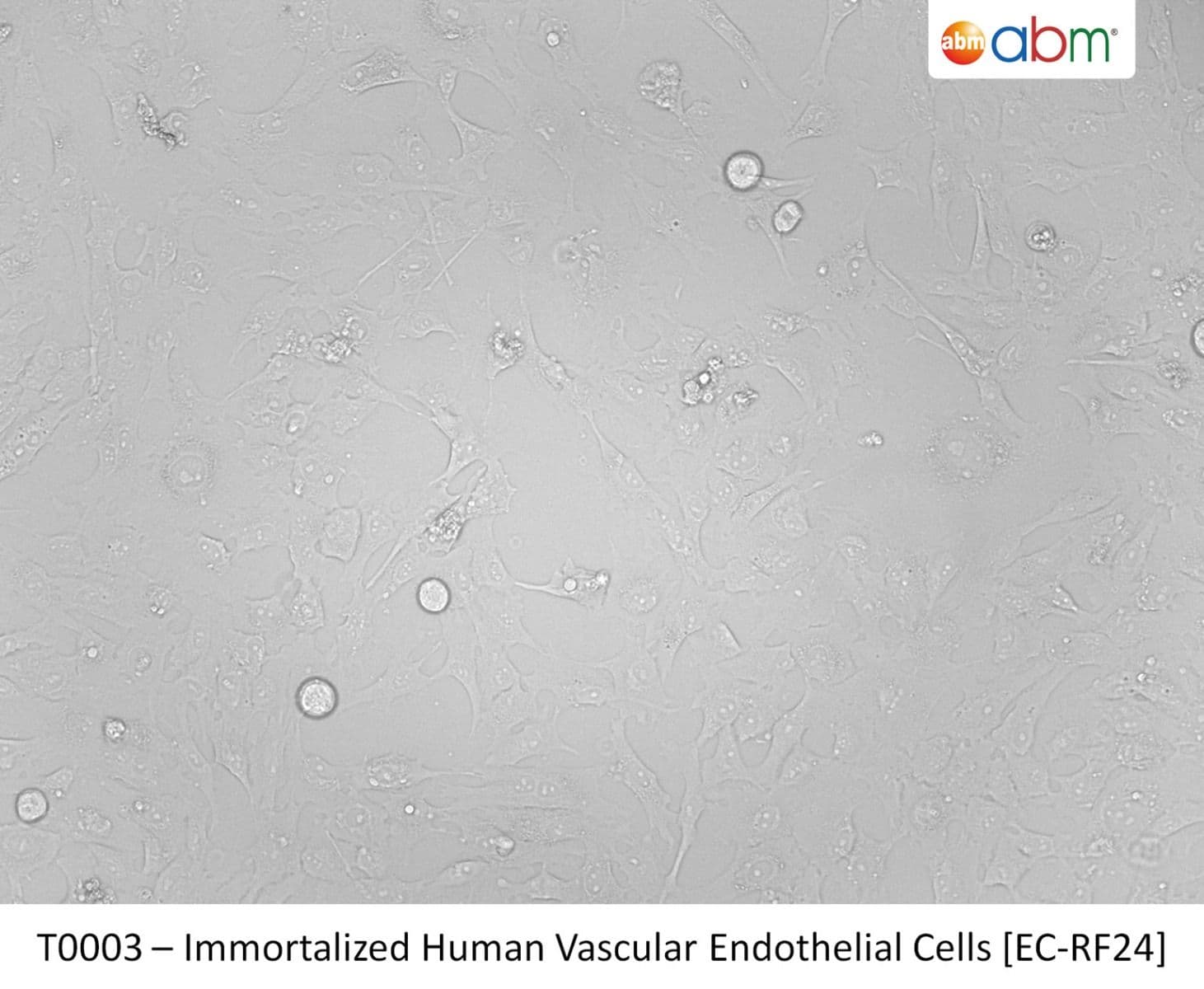
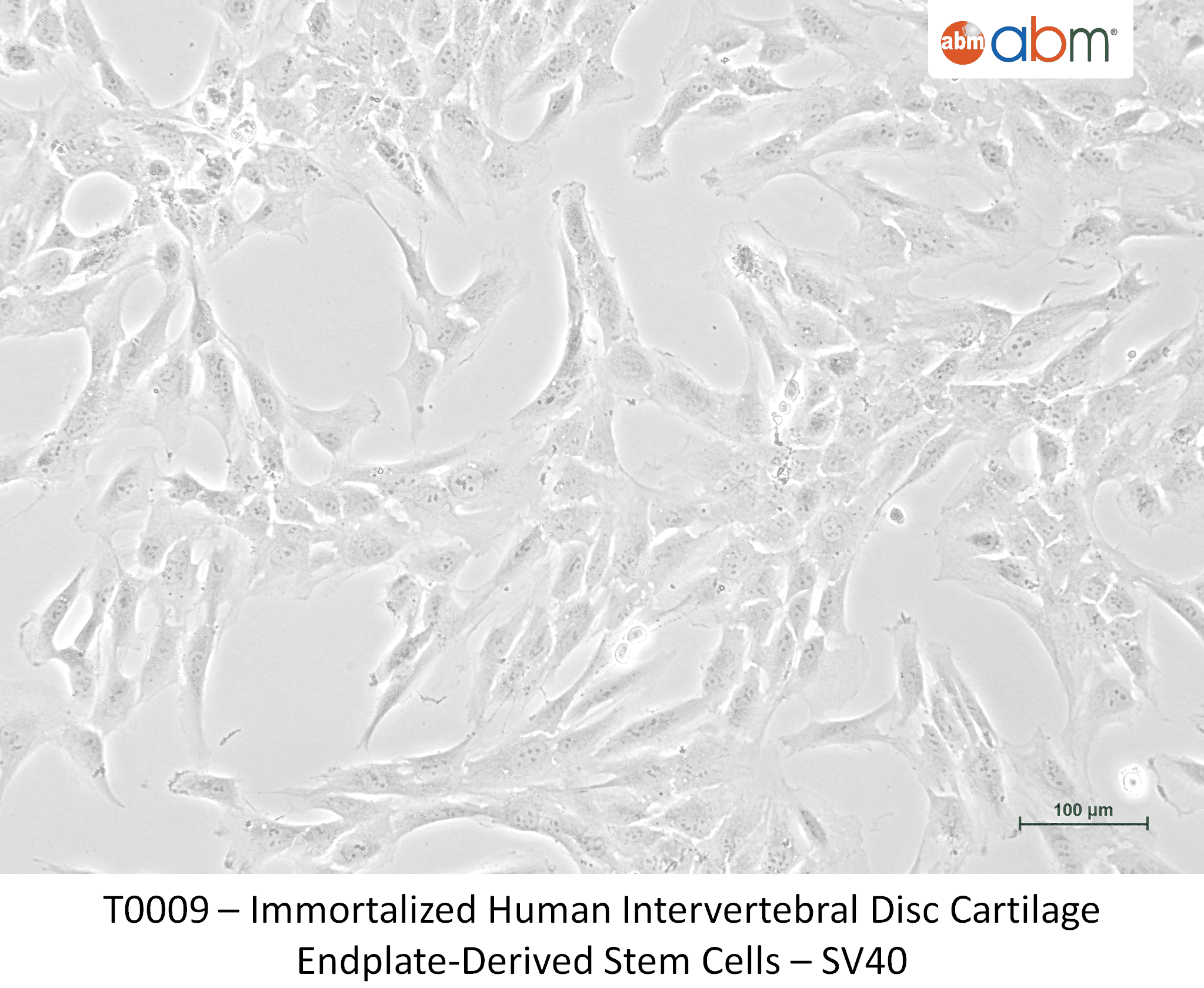
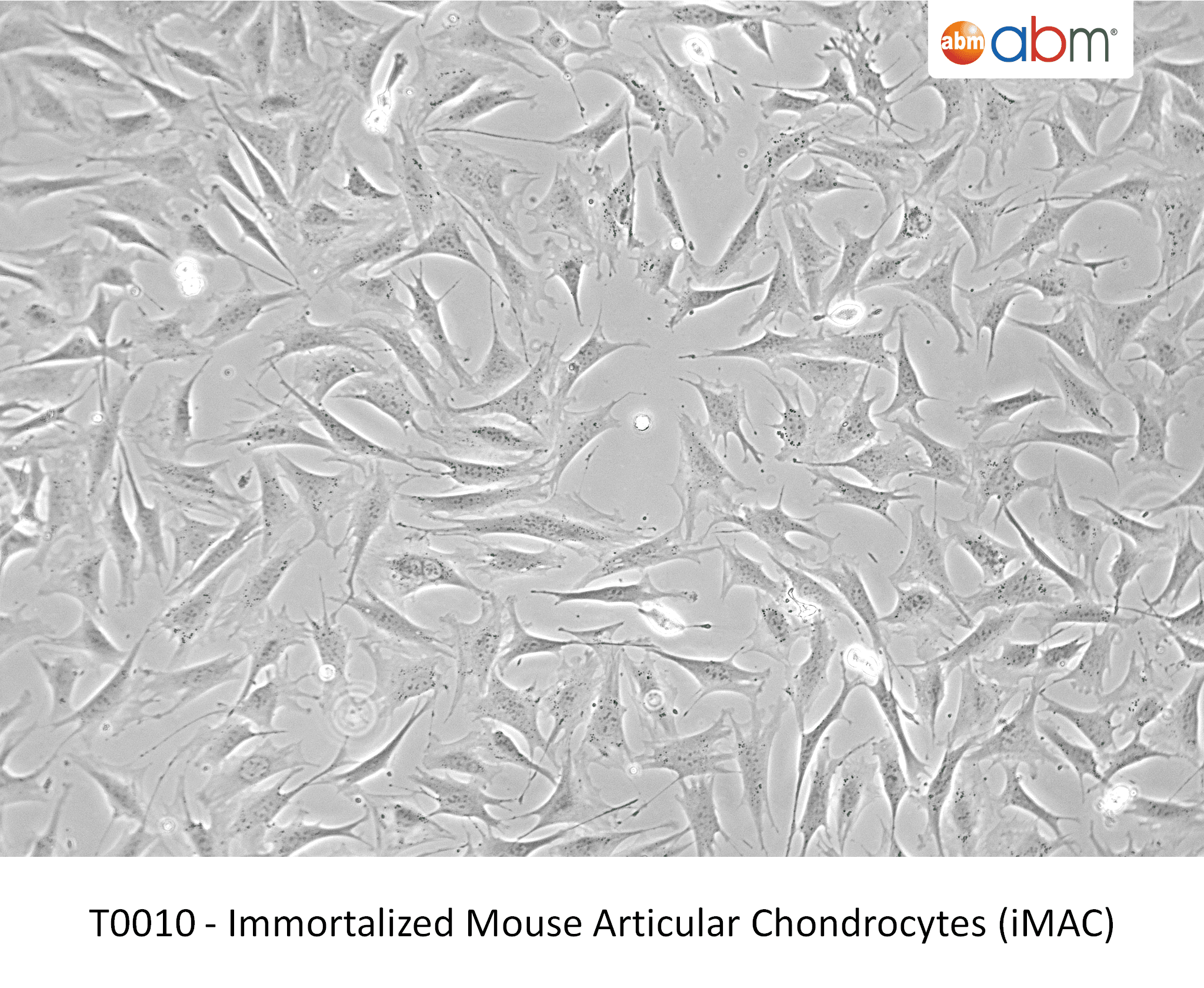
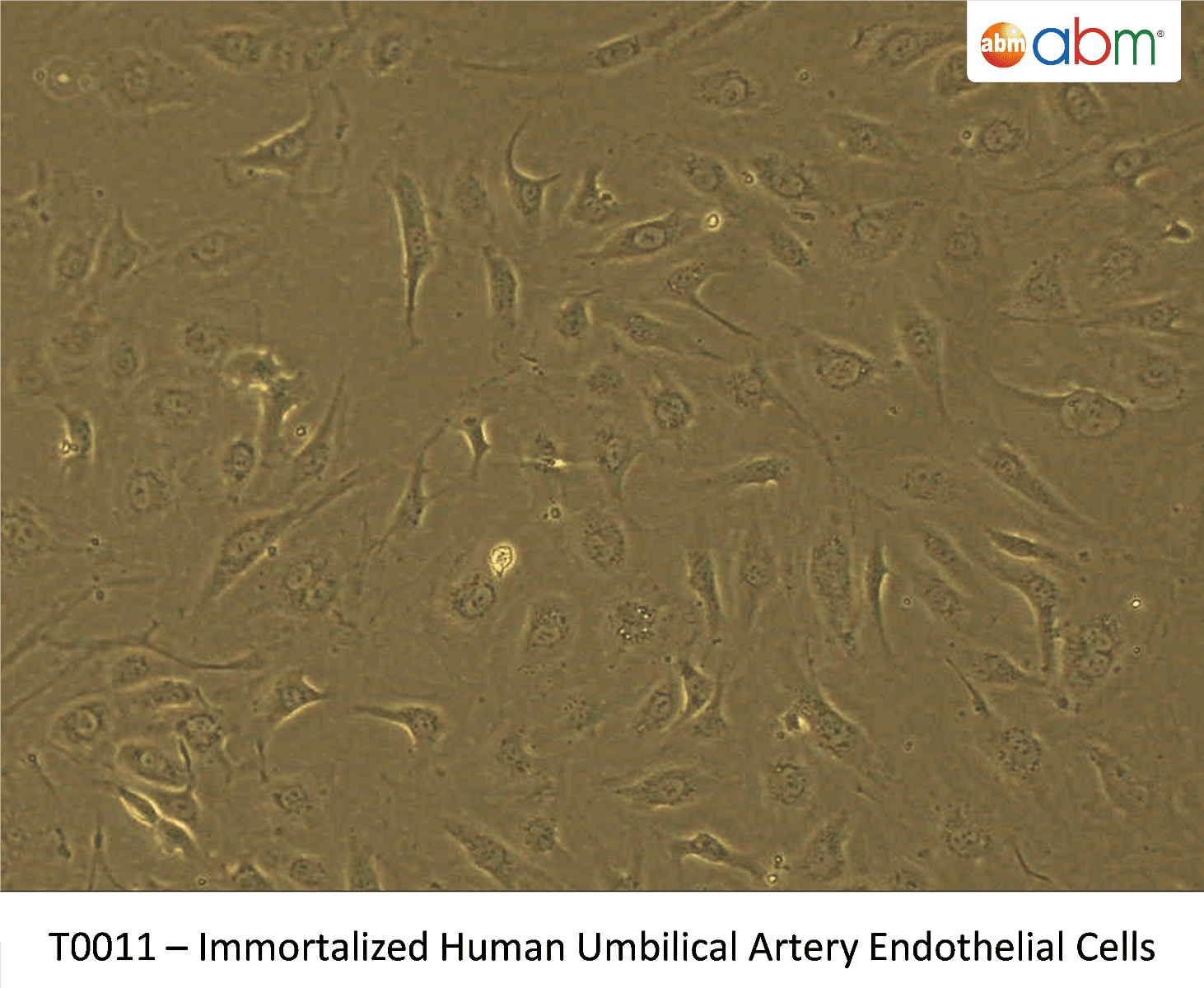
Common questions about immortalized cell lines, available models, gene editing, custom immortalization, and cell handling.
Immortalized lines are renewable and can proliferate for extended periods, making them useful for repeatable screening, genetic engineering, and long studies. Primary cells usually preserve more native physiology but have a finite lifespan and greater donor variability.
The abm collection spans hundreds of lines across human, mouse, rat, bovine, feline, avian, bat, dolphin, primate, and other specialty species, covering many tissue and organ systems.
Yes. Their expansion capacity makes immortalized lines practical starting points for CRISPR knockout, reporters, and stable-expression projects.
Custom immortalization is available for project-specific primary cells and uncommon tissue or species requirements. The technical team can also help assess a suitable approach.
Common strategies include hTERT expression, SV40 Large T, HPV E6/E7, oncogene-based systems, and conditional methods. The best choice depends on cell type and the biology that must be preserved.
Many lines retain important morphology, markers, and functional traits, although phenotype can change during long-term culture. Method selection, passage control, and validation are important.
Long-term stocks are normally maintained in liquid nitrogen and handled with standard aseptic cell-culture practices. Following the recommended thawing, culture, and passaging instructions helps protect viability and reproducibility.
The technical team can help source or immortalize a project-specific primary cell type when the catalogue does not contain the model you need.