

Transfection Reagents
Transfection Reagents For Every Application
abm’s transfection reagents are unique formulations designed to aid the delivery of nucleic acids into a variety of cell lines with high transfection efficiency and low cell toxicity.
Our collection includes DNAfectin™ Plus for transfection into adherent cells, and Susfectin™ for transfection of suspension 293 and CHO cells in the production of recombinant proteins, antibodies, and recombinant viruses.
Product List
| Product Name | Cat. No. | Description | Application | Size |
|---|---|---|---|---|
| Susfectin™ Transfection Reagent | G4000 | Polymer-based | Suspension cells (CHO, 293) | 1.0 ml |
| DNAfectin™ Plus Transfection Reagent | G2500 | Polycations and liposome-based | Adherent cells | 1.0 ml |
SusfectinTM Suspension Cell Transfection Reagent
abm's SusfectinTM Transfection Reagent is uniquely formulated for transfection of DNA into eukaryotic suspension cells without the need to remove serum/culture medium. This simplified workflow makes SusfectinTM the best choice for transfection of CHO and 293 cells.

Best choice for suspension cells (CHO, 293)

Minimal toxicity

Serum compatible (G4000)
Excellent for Suspension Cells
abm's Susfectin™ Transfection Reagent enables high efficiency transfection of suspension cells. HEK293 suspension cells was transfected with a Scrambled siRNA GFP Lentivector (Cat. No. LV015-G) using Susfectin™ Transfection Reagent (Cat. No. G4000).
2X Higher Expression
Susfectin™ results in 2X higher expression compared to PEI. CHO cells were transfected using Susfectin™ (Cat. No. G4000), a competing transfection reagent, or linear PEI. Recombinant antibody levels in the supernatant were quantified using ELISA.
DNAfectinTM Plus DNA Transfection Reagents
abm’s DNAfectinTM Plus out-performs competitors in transfection efficiency for a variety of popular cell lines. In addition, it has added benefit of performing transfection without the need to remove serum/culture medium.
Minimal toxicity
Out-performs in a range of cells
Serum compatible (G2500)
Out-Performs Competitors
DNAfectinTM Plus out-performs competitors in transfection efficiency for a variety of popular cell lines. DNAfectinTM Plus Transfection Reagent (Cat. No. G2500) or a competitor’s transfection reagent were used to deliver a GFP construct into CHO-K1, HeLa, HEK-293T or Calu-6 cells. Images were taken 24 hours post-transfection.
No Medium Changes Required
DNAfectinTM Plus enables transfection in the presence of serum. HEK-293T Cells were transfected with a GFP construct using DNAfectin™ Plus (Cat. No. G2500) or a competitor's transfection reagent. DNAfectin™ Plus does not require removal of serum/culture medium during the transfection, as the transfection mixture can be added directly to complete medium.
Troubleshooting Transfection and Viral Production Efficiency
Low transfection efficiency or reduced viral titer is typically caused by a combination of biological, chemical, and procedural factors. The sections below outline common issues, their underlying causes, and recommended optimization strategies.
Why is my transfection efficiency low? →
Low transfection efficiency is often caused by suboptimal cell health, incorrect cell confluence, or poor-quality DNA. HEK293T cells should typically be in the logarithmic growth phase and maintained at approximately 70–80% confluence at the time of transfection. Over-confluent or under-confluent cells can significantly reduce uptake of DNA-reagent complexes.
In addition, endotoxin contamination in plasmid DNA or improper reagent-to-DNA ratios can interfere with complex formation and reduce cellular uptake efficiency.
Why is my viral titer low after transfection? →
Low viral titer is commonly linked to inefficient plasmid delivery, poor plasmid quality, or imbalanced packaging system ratios. Viral production systems such as lentivirus or AAV rely on precise stoichiometry between transfer vector and packaging plasmids.
Suboptimal harvest timing can also reduce titer, as viral particle production typically peaks within a defined post-transfection window depending on the system used.
Why are my transfection complexes not forming properly? →
Improper complex formation can occur if serum is present during complex assembly or if the transfection reagent is added in the wrong order. Many lipid-based and polymer-based transfection reagents require serum-free conditions during complex formation to prevent charge shielding and aggregation.
Why do my cells show toxicity after transfection? →
Cytotoxicity is often caused by excessive reagent dosage, poor-quality DNA, or prolonged exposure to transfection complexes. Certain cell types, including primary or sensitive lines, may require optimized reagent ratios or alternative formulations to reduce stress responses. Our transfection reagents come with optimized protocols and ratios that can help you get started.
How does plasmid DNA quality affect transfection efficiency? →
High-purity, endotoxin-free plasmid DNA is critical for efficient transfection. Contaminants such as endotoxins, salts, or residual solvents can disrupt lipid or polymer complex formation and reduce uptake by mammalian cells, leading to lower protein expression or viral production.
Why is HEK293T commonly used for viral packaging? →
HEK293T cells are widely used because they exhibit high transfection efficiency, robust growth characteristics, and strong support for viral protein expression. These properties make them ideal for lentiviral, retroviral, and AAV packaging workflows.
What factors most affect viral production efficiency? →
Viral production efficiency is influenced by plasmid ratio optimization, DNA quality, transfection reagent performance, cell health, and harvest timing. Each of these parameters contributes to the overall yield and quality of viral particles produced in packaging systems.
Can serum affect transfection efficiency? →
Yes. Serum components can interfere with the formation of DNA–reagent complexes in many transfection systems. For this reason, complex formation is typically performed under serum-free conditions, followed by addition to cells cultured in appropriate media. Once complexes are formed, our transfection complexes can be added to cells in medium containing serum.
How can I improve viral titer in lentivirus or AAV production? →
Viral titer can be improved by optimizing transfection conditions, ensuring high-quality endotoxin-free plasmid DNA, using the correct plasmid ratios, and harvesting virus at peak production time. Enhancing cell health prior to transfection also plays a critical role in maximizing yield.
Additional Resources
-
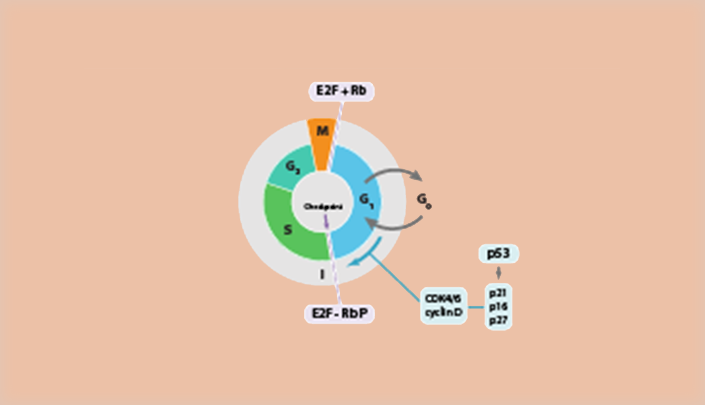
Cell Culture – An IntroductionKnowledge Base -
Cell Culture Tutorial – An Introduction
Video